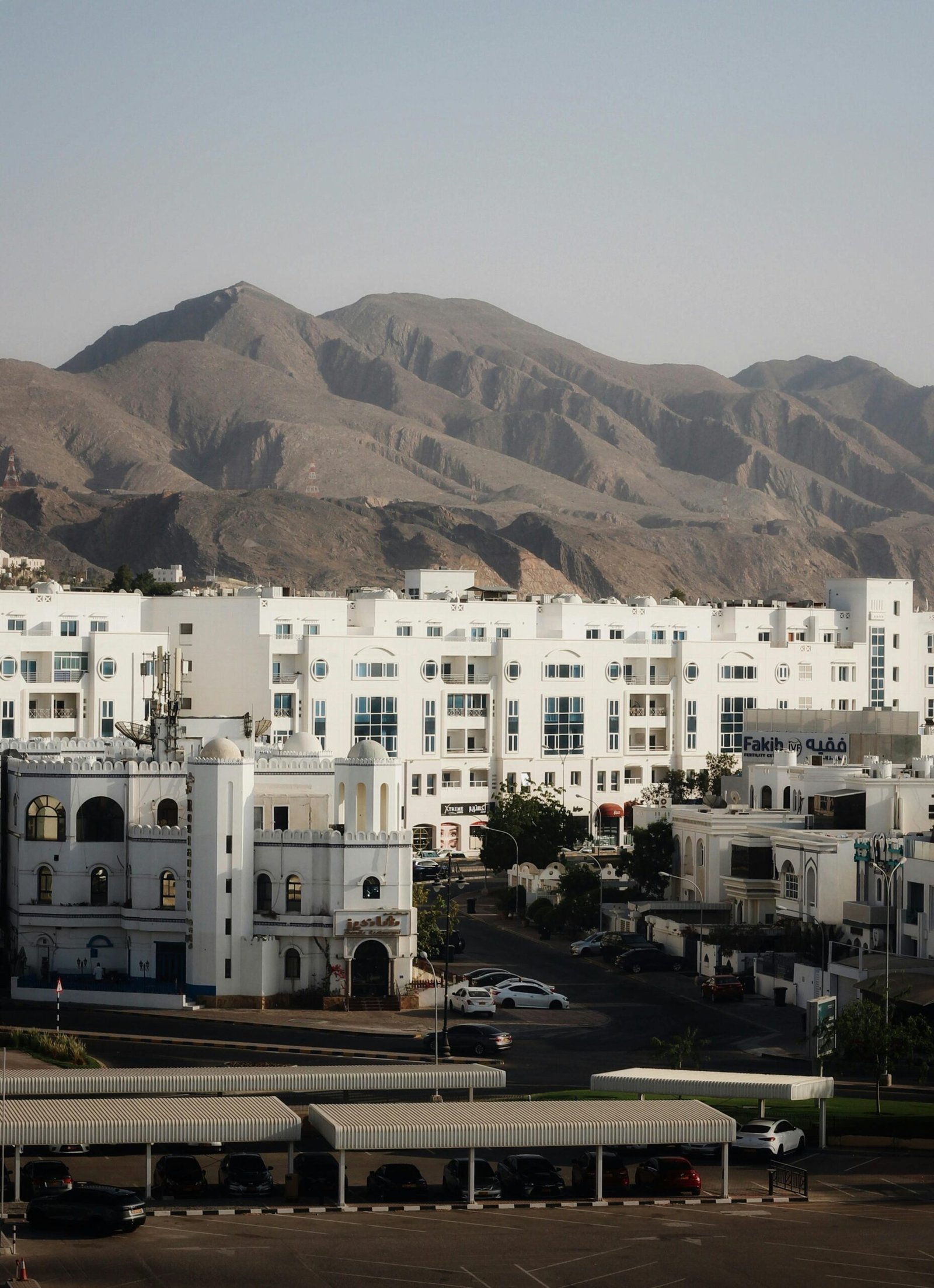
Investing in tourism complexes in Oman requires clear knowledge of ownership rules, land regimes and licensing. This article explains Integrated Tourism Complexes (ITCs), what foreign investors can own, common structures, and the key approvals and risks to check before you commit.
Investing in Tourism Complexes in Oman: Foreign Ownership & Land
- Foreign investors can own or invest in many tourism projects in Oman. Depending on approvals, some tourism activities allow the majority or 100% foreign ownership.
- However, freehold land for foreigners is generally limited to designated tourism or investment zones (for example, Al Mouj or special economic zones). Elsewhere, investors use long‑term leases (usually 25–99 years).
- As a result, developers typically use onshore companies, special purpose vehicles (SPVs) and long‑term leases to enable foreign investment while complying with land rules.
Licensing and approvals
- Major approvals include tourism development licenses from the Ministry of Heritage and Tourism and permits from the Ministry of Commerce and local municipalities.
- Projects in special zones (Duqm, Salalah Free Zone) require coordination with the zone authority.
- For coastal projects, you must obtain environmental approvals and marine permits. These are essential and often strict.
Incentives and common structures
- Large ITCs may receive incentives, such as tax or customs concessions and preferential land terms. Authorities often negotiate these benefits for major projects.
- Common structures include Omani LLCs with foreign shareholders, 100% foreign entities where allowed, or offshore/SPV models paired with leasehold arrangements.
Commercial and operational points
- Clarify financing, developer guarantees, phased delivery and exit terms early.
- Confirm rights for residential components (holiday homes, rentals) and governance between the hotel and residential parts.
- Expect hospitality management agreements, brand/franchise contracts and clear operational roles.
Risks and due diligence
- Verify land status, permitted uses and coastal or archaeological constraints.
- Secure written terms for incentives, dispute resolution and profit repatriation.
- Conduct environmental and social impact assessments when required.
Practical next steps for the Integrated Tourism Complexes in Oman
- Engage local legal and real estate counsel to confirm land and ownership options.
- Talk early with the Ministry of Heritage and Tourism and any relevant zone authority to clarify approvals and incentives.
- Prepare a feasibility study covering market demand, infrastructure, environmental impact and regulatory risk before signing contracts.
Questions about investing in Integrated Tourism Complexes in Oman? Email info@gatewaytradingllc.com or visit https://www.gatewaytradingllc.com/contact
We advise on ownership, land, licensing and investor‑visa structuring — book a consultation today.